Yarbo M Series: One Robotic Platform, Four Seasonal Jobs
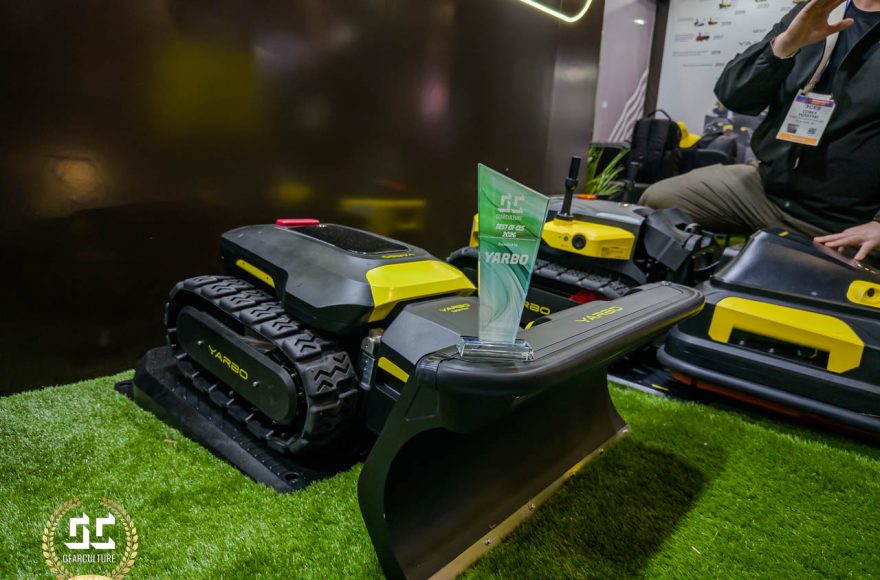
The Yarbo M Series is a modular robotic platform built around a shared 36V power architecture and a tracked mobility base. The system consolidates four distinct yard maintenance functions into a single compute and drivetrain core, with interchangeable task-specific modules that attach to the base unit. Each module inherits the platform’s navigation stack, battery capacity, and locomotion system, eliminating the need for redundant motors, processors, and power sources across seasonal equipment. This architectural approach prioritizes component reuse over single-purpose optimization.
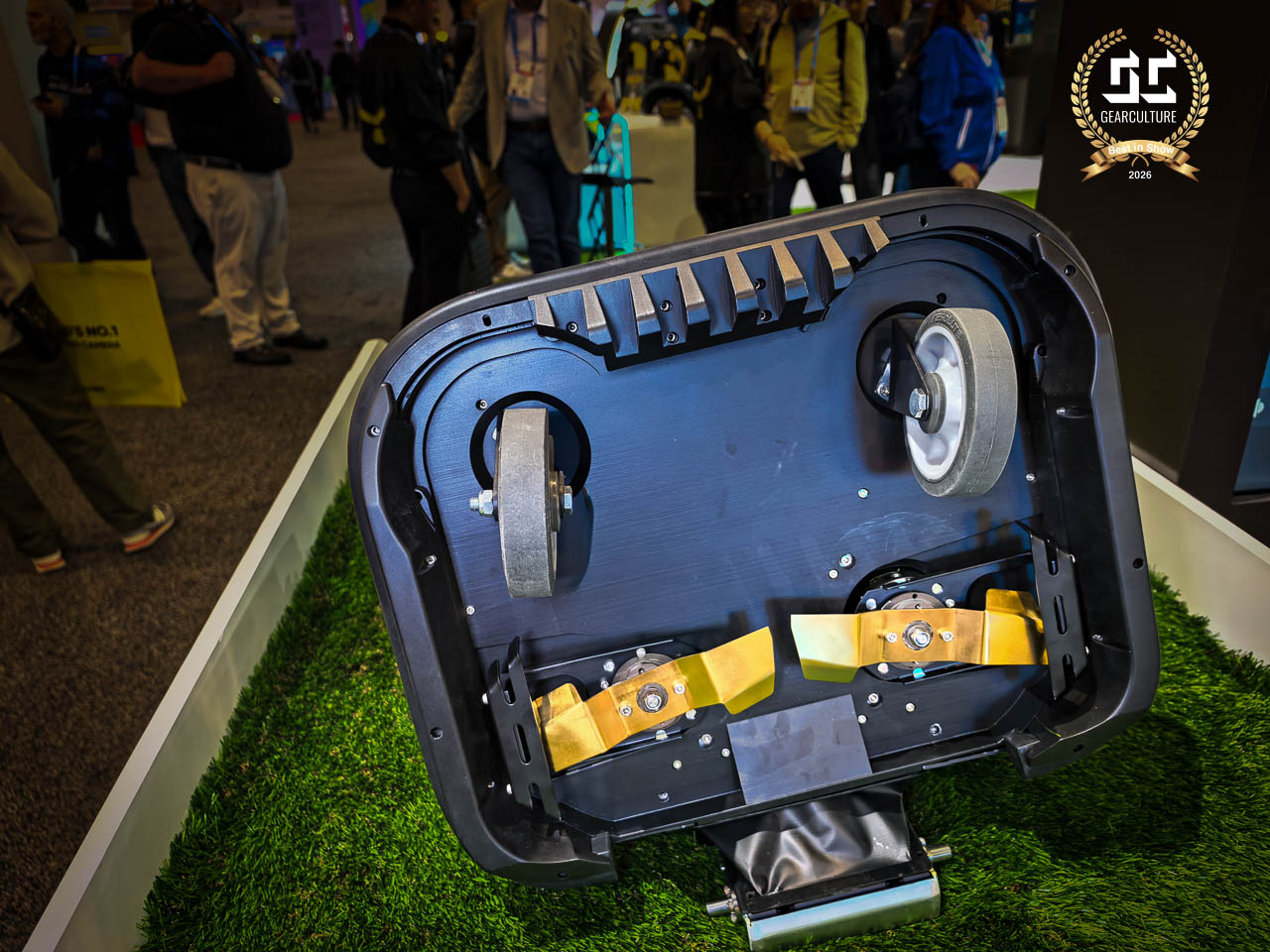
From an engineering standpoint, the M Series represents a departure from the typical autonomous mower design philosophy. Conventional robotic lawn equipment dedicates all onboard resources to a single task, resulting in purpose-built machines that cannot adapt to other functions. The M Series inverts this model by treating the intelligent, powered chassis as the primary investment, with task modules functioning as relatively simple mechanical attachments. The tracked drivetrain, AI compute unit, sensor array, and battery pack remain constant across all configurations.
The platform debuted at CES 2026 and targets residential properties in North America and Europe. Yarbo positions the M Series below its existing Yarbo Robots, which serves larger estate-scale properties. The M Series accommodates mowing, leaf and debris collection, snow plowing, and edge trimming through its module ecosystem. All modules share the same mounting interface and draw power from a common battery system available in two capacity tiers.
Core Robotic Platform Architecture
The base unit employs a tracked chassis rather than the wheeled designs common in consumer robotic mowers. Tracks distribute weight across a larger contact surface, providing consistent traction on grass, snow, wet leaves, and inclined terrain without the slip common to rubber wheels on dewy turf. The tracked system also enables the platform to traverse obstacles approximately 2 inches (50 mm) in height, which accommodates landscape edging, shallow roots, and uneven pathway transitions.
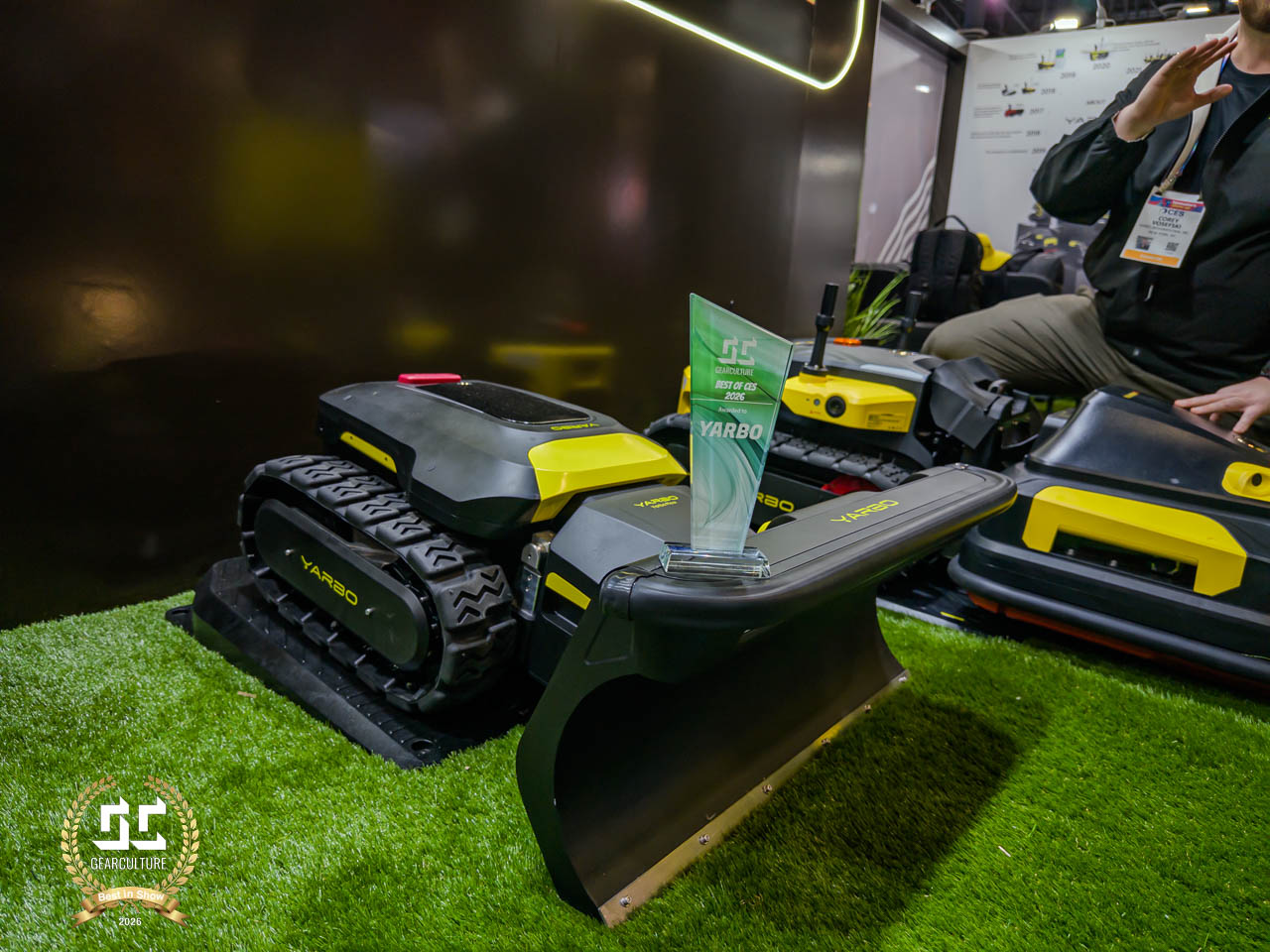
Maximum travel speed is 3.9 feet per second (1.2 m/s) on the core platform, intentionally aligned with normal walking pace to support natural Follow Me behavior, while speed is reduced to 3.3 feet per second when the mower module is attached to account for cutting load and stability.
The compute architecture centers on a 6 TOPS AI processor that handles real-time sensor fusion, path planning, and obstacle avoidance. Sensor inputs include LiDAR, cameras, and bumper-mounted contact sensors, all feeding the navigation system simultaneously. The platform requires no buried boundary wires or manual perimeter walks, instead constructing its operational map autonomously from sensor data. This approach eliminates installation labor but shifts complexity to the onboard processing stack, which must reliably interpret yard geometry under varying lighting and weather conditions.
Power System and Battery Strategy
The M Series operates on a 36V electrical architecture with two interchangeable lithium battery options: 10Ah and 20Ah. Both packs use the same form factor and mounting interface, allowing users to swap capacities based on task requirements or upgrade over time. The battery selection directly affects motor power output on certain modules, not just runtime, creating a tiered performance model within the same hardware platform.
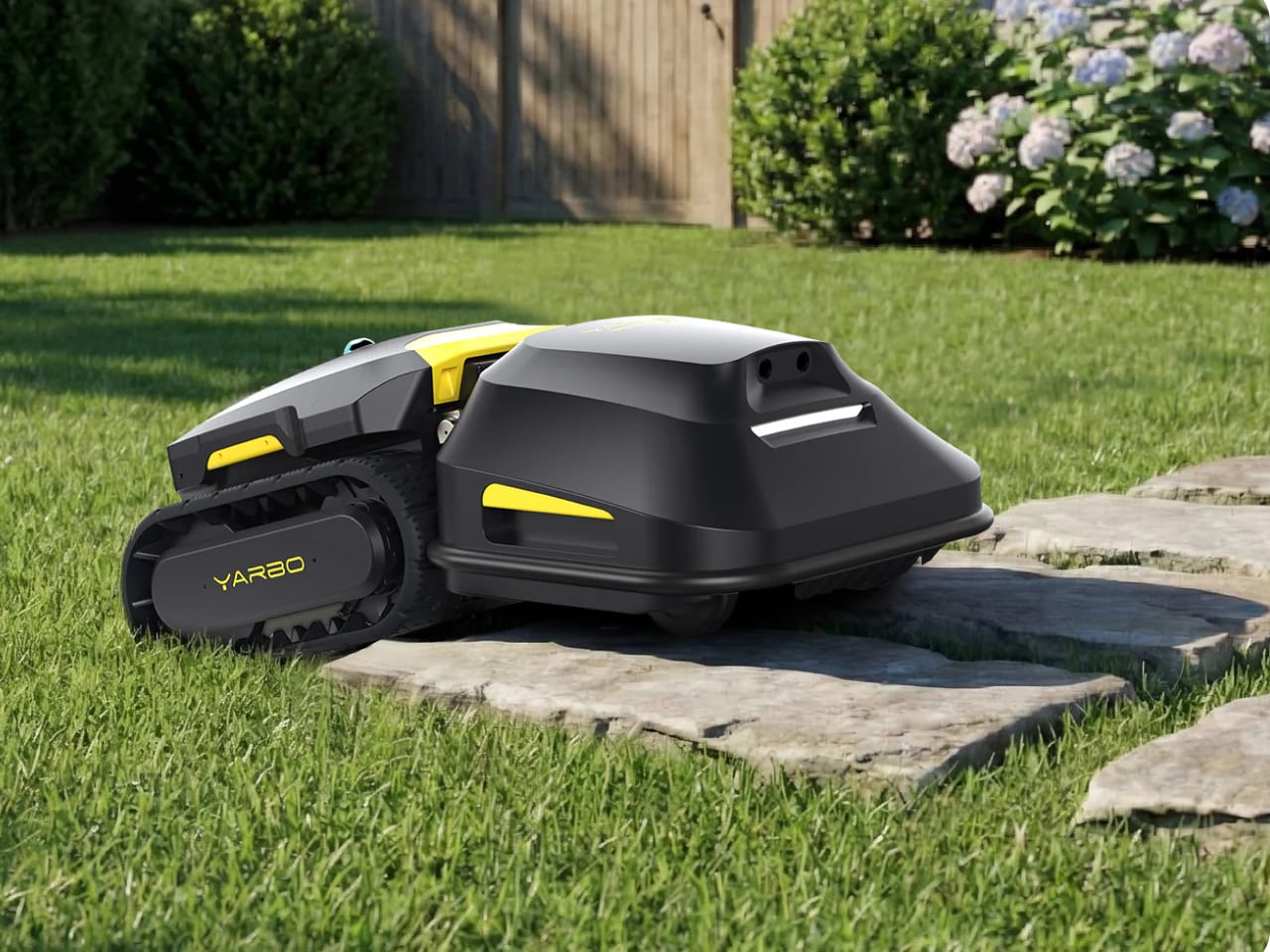
Motor scaling differs by module configuration. The mower attachment runs dual 150W motors (300W total) with the 10Ah battery and dual 300W motors (600W total) with the 20Ah battery. This doubling of power output enables the larger battery configuration to use straight cutting blades rather than the spinning disc cutters on the lower-tier setup. The power differential affects cut quality on dense or tall grass, where blade momentum and torque determine how cleanly stems are severed. Other modules do not exhibit the same motor scaling behavior, suggesting the mower module contains variable motor hardware while other attachments use fixed-output designs.
Runtime varies predictably with capacity. The 10Ah configuration delivers approximately 85 minutes of mowing per charge, covering roughly 0.1 acres (435 square meters) per cycle. The 20Ah configuration extends runtime to 110 minutes and approximately 0.2 acres (870 square meters) per charge. Daily and weekly coverage limits compound these figures: the 10Ah system maxes out at 1 acre daily and 3.5 acres weekly, while the 20Ah system reaches 1.5 acres daily and 5.25 acres weekly. These limits assume consistent return-to-base charging between cycles.
Wireless charging eliminates manual docking alignment. The base station uses inductive power transfer, bringing the 10Ah battery from 10 percent to 90 percent charge in 30 minutes. This rapid turnaround supports the multi-cycle daily coverage model, where the robot returns to charge multiple times during extended operation windows. The wireless approach also removes exposed electrical contacts that could corrode in outdoor environments or accumulate debris from yard work.
Navigation, Autonomy, and Compute Stack
The 6 TOPS AI chip serves as the platform’s central processing unit for all navigation and autonomy functions. TOPS (Tera Operations Per Second) measures the processor’s ability to execute parallel computations, a relevant metric for real-time sensor fusion where multiple data streams require simultaneous interpretation. The 6 TOPS rating positions the M Series above entry-level robotic mowers but below industrial autonomous vehicles, reflecting a mid-tier compute allocation appropriate for residential yard complexity.
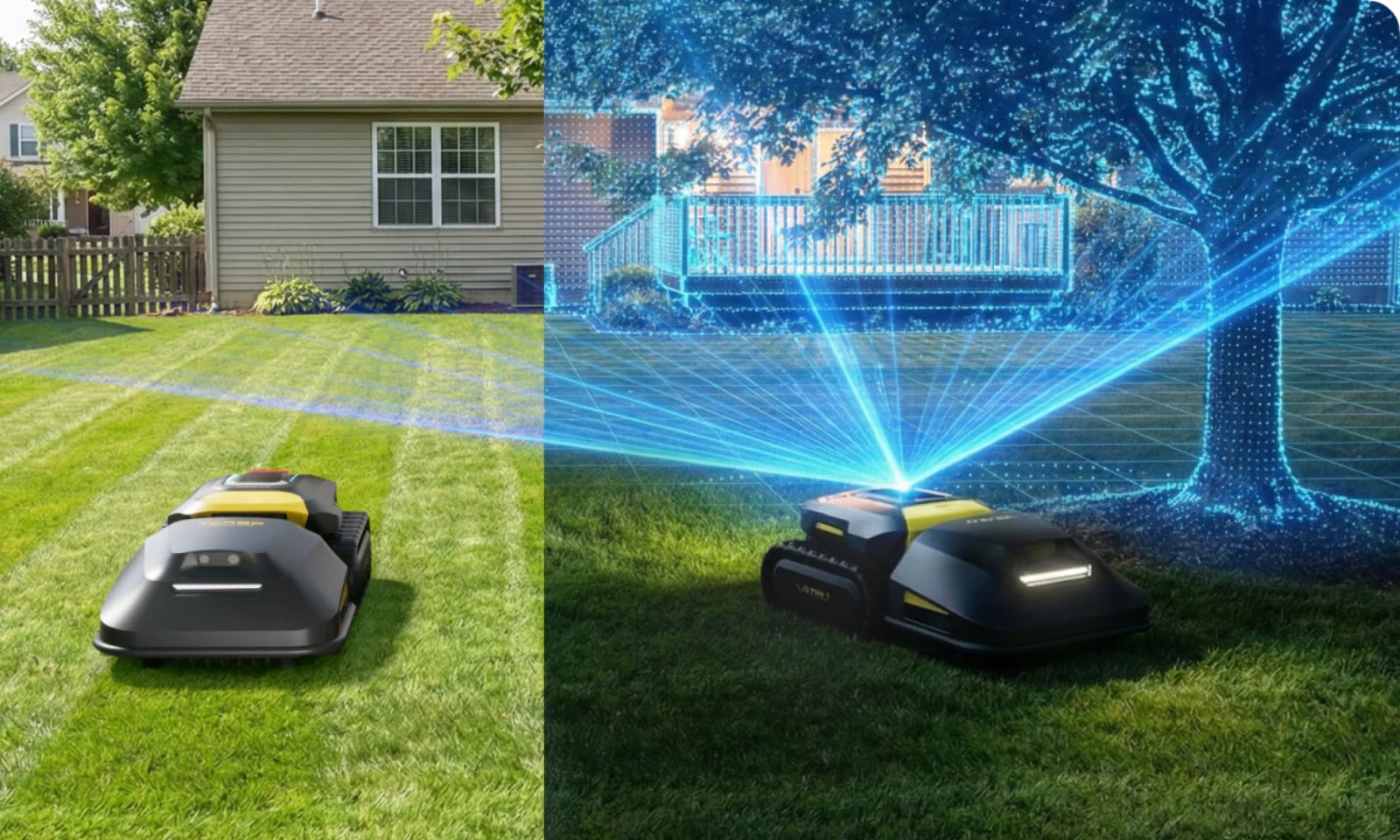
ensor fusion combines LiDAR powered precise navigation with RTK support, camera based visual recognition, and physical bumper feedback into a unified environmental model.
Connectivity options include Wi-Fi, Bluetooth, optional Wi-Fi HaLow, and optional 4G cellular. Wi-Fi HaLow operates on sub-1 GHz frequencies with extended range characteristics suited to large outdoor properties where standard 2.4 GHz Wi-Fi coverage degrades. The 4G option enables remote monitoring and control independent of local network infrastructure. The platform supports over-the-air firmware updates, allowing Yarbo to push navigation improvements and feature additions after purchase.
Module Hardware Breakdown
Mower Module
The mowing attachment measures 17.3 x 21.3 x 11.9 inches (440 x 541 x 302 mm) as a standalone unit, expanding the combined platform footprint to 36.7 x 21.3 x 13.5 inches (932 x 541 x 343 mm) when mounted. Cutting width spans 15.7 inches (399 mm), with adjustable height ranging from 1.2 to 4.0 inches (30 to 102 mm). The height range accommodates both closely cropped lawns and taller fescue or meadow grass varieties.
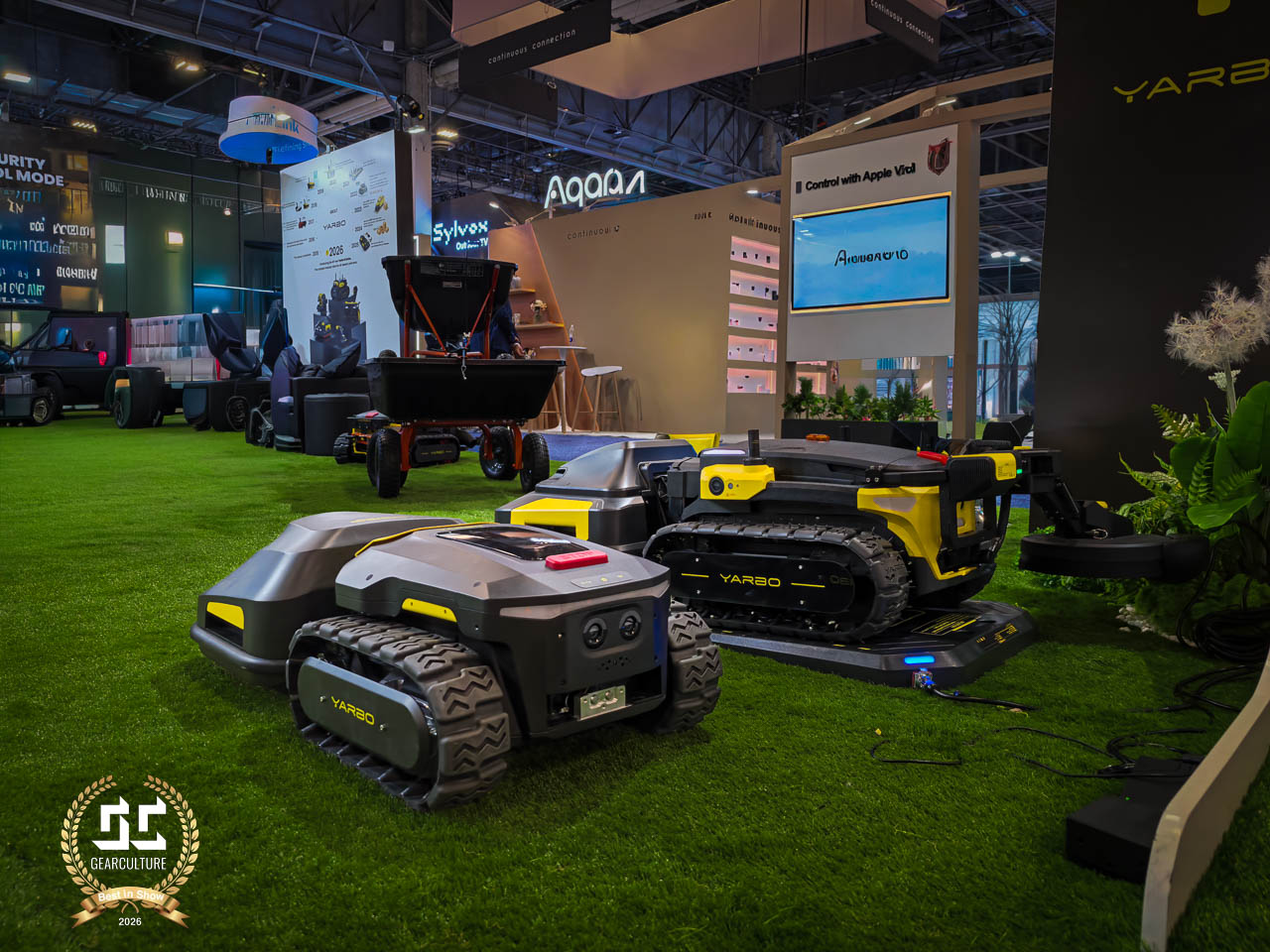
Performance limits tie directly to battery selection. The 10Ah configuration produces 58 dB of operational noise, covers 0.1 acres per charge cycle, and uses disc-style cutting elements. The 20Ah configuration maintains the same 58 dB noise floor while doubling per-charge coverage to 0.2 acres and switching to straight blade cutters. The blade type change reflects the additional torque available from the 300W motor pairing, which can drive heavier, more aggressive cutting geometry.
Operational constraints include the daily and weekly coverage ceilings mentioned previously. The platform cannot exceed 1.0 acre per day on the 10Ah battery or 1.5 acres on the 20Ah battery regardless of available charging time. These limits likely reflect thermal management requirements for the motors and battery pack during extended duty cycles. The 58 dB noise level falls below typical municipal daytime noise ordinances, permitting early morning or late evening operation in most residential jurisdictions.
Collector Module
The debris collection module measures 20.9 x 17.3 x 15.0 inches (531 x 439 x 381 mm) in combined configuration. Sweeping width is 11.8 inches (300 mm), feeding into a 25-liter (6.6 gallon) collection bin. The module handles wet leaves, pine needles, grass clippings, acorns, and small twigs without requiring pre-sorting or debris type selection.
The collection system supports over 50 programmable dumping locations, allowing the robot to deposit debris at designated spots around the property rather than requiring manual bin emptying. Route optimization algorithms minimize total cleaning time by calculating efficient collection paths that account for dumping point locations. The platform automatically resumes collection after each dump cycle without user intervention.
Operational constraints center on bin capacity relative to debris density. The 25-liter volume accommodates dry leaves at lower density than wet leaves or grass clippings. Users with heavy deciduous cover may require more frequent dumping cycles than the AI route optimizer initially predicts. The module lacks specifications for maximum debris weight, suggesting load limits depend on the tracked platform’s traction capacity rather than the collection bin itself.
Snow Plow Module
The plow attachment measures 17.3 x 28.9 x 12.6 inches (439 x 734 x 320 mm) as a standalone module, with a combined platform footprint of 35.0 x 29.9 x 13.5 inches (889 x 759 x 343 mm). Blade angle adjusts up to 25 degrees left or right from center, directing snow to either side of the travel path.
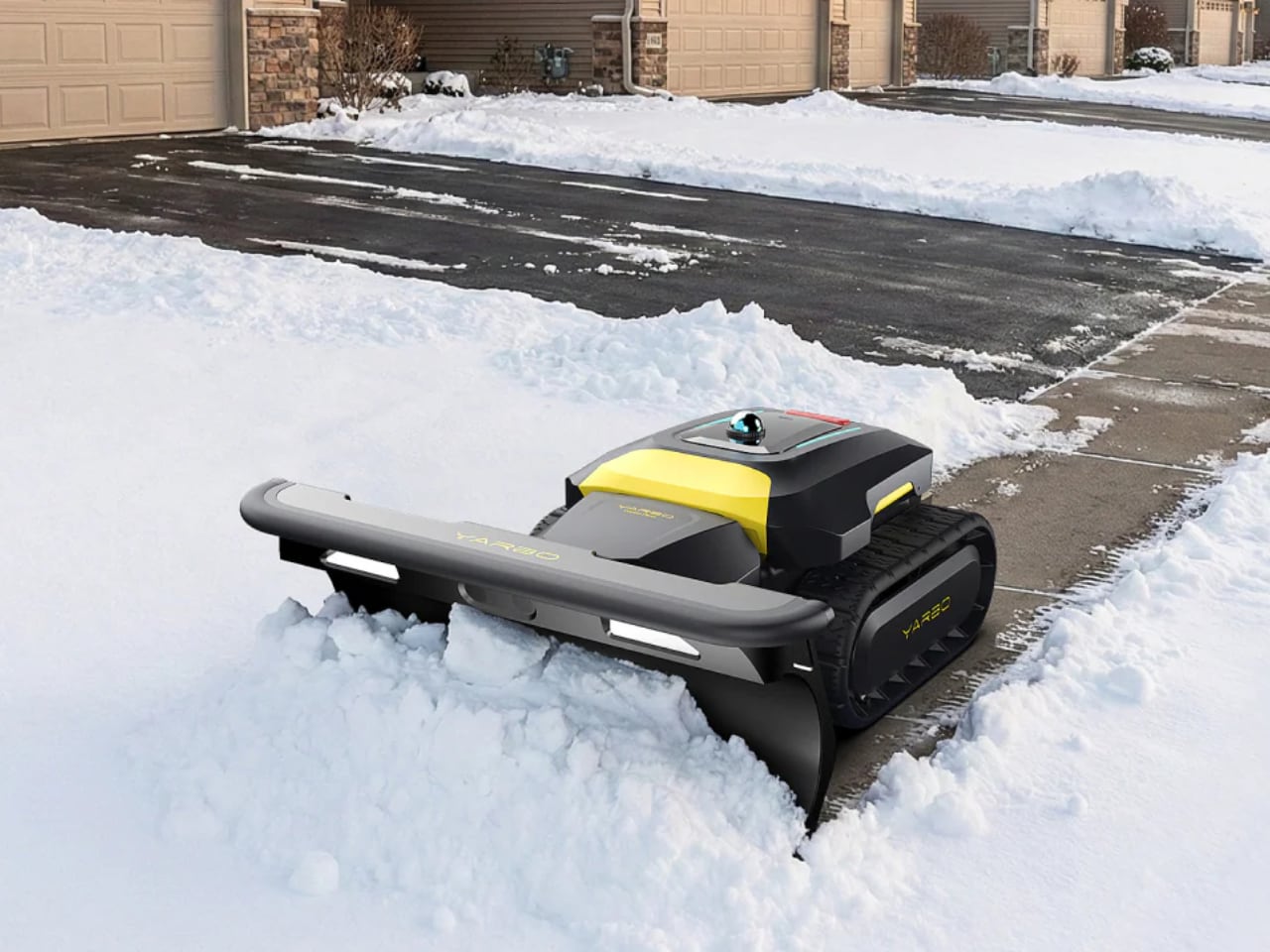
Coverage per charge varies by battery: 2,000 square feet (186 square meters) with the 10Ah pack, 4,000 square feet (372 square meters) with the 20Ah pack. These figures correspond to typical sidewalk, pathway, and two-car driveway combinations. Blade lifting clearance of 2.8 inches (71 mm) matches the platform’s obstacle traversal height, maintaining consistent ground clearance during plow operation. Noise output remains below 60 dB.
The plow module is designed for continuous clearing during active snowfall rather than post-storm accumulation removal. Repeated passes during precipitation prevent buildup that would exceed the blade’s pushing capacity. Deep snow recovery requires manual intervention or conventional equipment. The zero-emission, sub-60 dB operation profile positions the module against gas-powered snow blowers, which typically exceed 80 dB and produce combustion exhaust.
Trimmer Module
The edge trimmer uses a dual-line cutting system with 23 feet (7.0 meters) of line capacity. Automatic line feeding advances fresh cutting line as the existing material wears, eliminating the bump-feed or manual advance mechanisms common in handheld string trimmers. Adjustable trimming height spans 2 to 4 inches (51 to 102 mm).
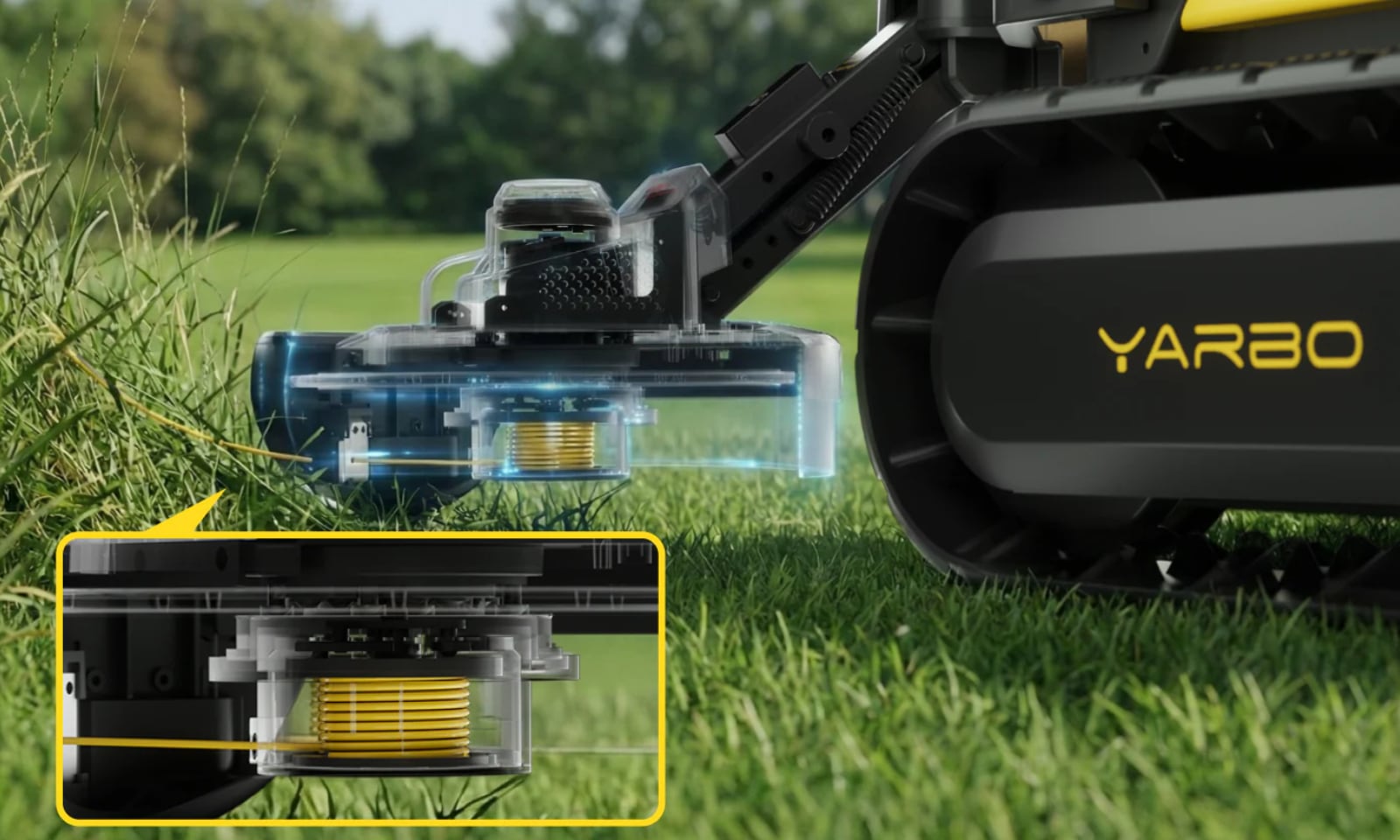
The module’s autonomous edge intelligence navigates along walls, fences, garden bed borders, and tight corners without manual repositioning. Adaptive angle handling adjusts the cutting head orientation based on detected boundary geometry. This capability addresses the labor-intensive nature of manual edging, where users must walk the entire perimeter and manipulate equipment around obstacles.
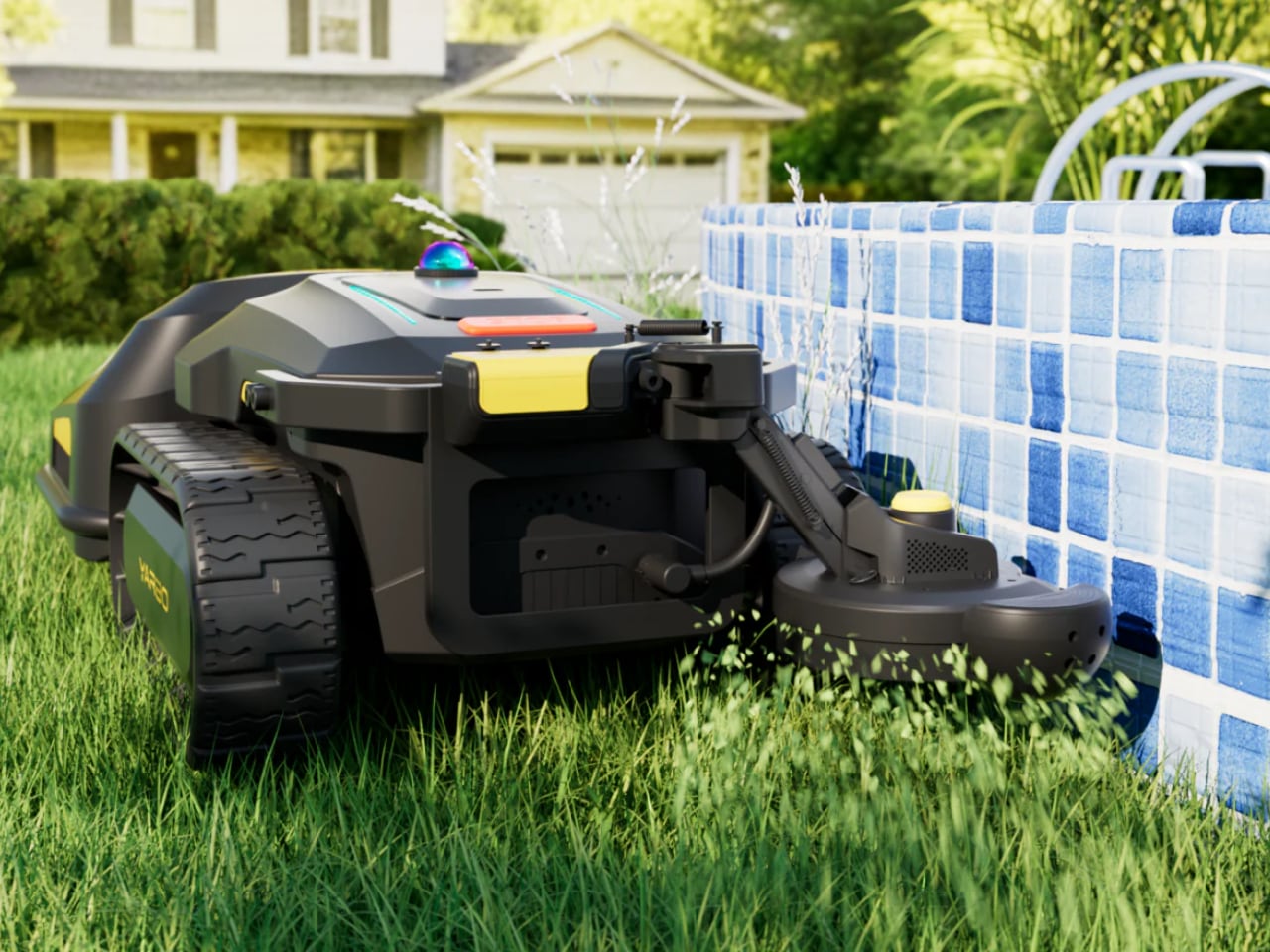
Operational constraints relate to line material and vegetation type. String trimmer line performs well on grass and light weeds but struggles with woody stems or thick ground cover. The source documentation does not specify line diameter, limiting analysis of cutting capability against heavy vegetation. The 2 to 4-inch height range suggests the module targets grass edge maintenance rather than aggressive brush clearing.
Environmental and Mechanical Limits
The M Series is rated for slopes up to 70 percent grade (35 degrees), which exceeds the typical 10 to 15 percent grades found on suburban lawns. This capacity accommodates hilly terrain, embankments, and properties with significant elevation changes. The tracked drivetrain contributes to slope stability by distributing weight and preventing the wheel slip that limits conventional robotic mowers on inclines. Vertical obstacle clearance of 2 inches (50 mm) permits traversal of landscape borders, exposed roots, and pavement transitions without high-centering the chassis.
Operating temperature range spans minus 13°F to 113°F (minus 25°C to 45°C), covering seasonal extremes in most North American and European climates. The lower bound supports snow clearing operations in sub-freezing conditions, while the upper bound accommodates summer mowing in hot climates. Water resistance carries an IPX6 rating, indicating protection against high-pressure water jets from any direction. This rating exceeds the splash resistance (IPX4) typical of consumer electronics and permits operation in rain, sprinkler overspray, and wet grass conditions without damage to electrical components.
Physical Footprint and Storage Implications
Dimensions vary by module configuration, affecting both storage requirements and operational clearances. The Core plus Mower combination measures 36.7 x 21.3 x 13.5 inches (932 x 541 x 343 mm), representing the longest overall configuration due to the blade assembly extending beyond the base chassis. The Core plus Plow configuration is shorter at 35.0 inches in length but wider at 29.9 inches (759 mm) due to the angled blade geometry. The Core plus Collector combination is the most compact at 20.9 x 17.3 x 15.0 inches (531 x 439 x 381 mm).
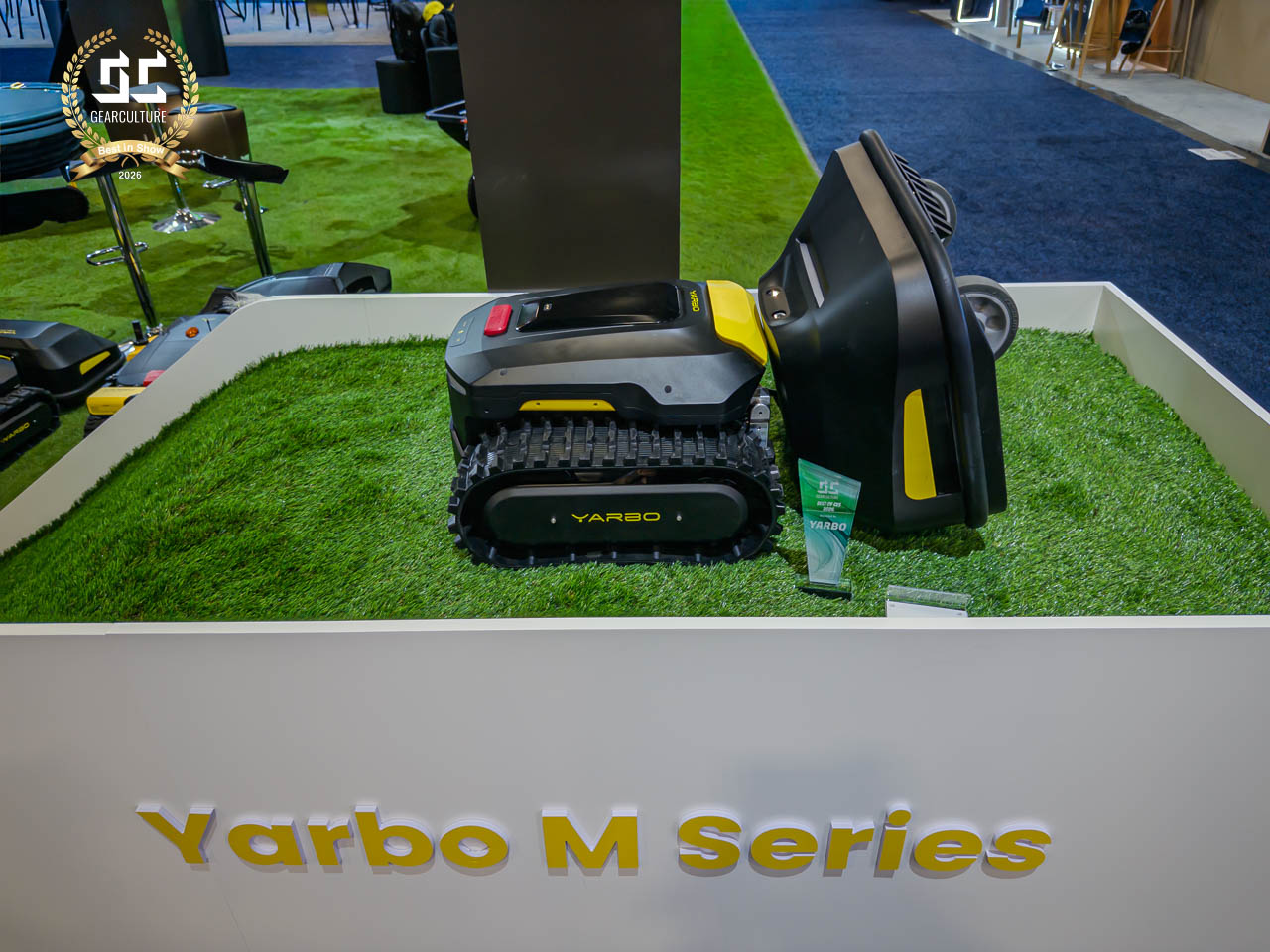
The sub-30-inch width of all configurations permits passage through standard residential side gates, which typically measure 36 inches (914 mm) or wider. This clearance enables front-to-back yard access without requiring the robot to traverse through the home or be manually transported. The 13.5-inch maximum height accommodates storage under standard workbench surfaces or on garage shelving rated for 50+ pounds.
Storage efficiency depends on how users manage the module ecosystem. Maintaining all four modules requires space for the base unit plus three detached attachments, each with its own dimensional footprint. Users who swap modules seasonally can store off-season attachments in alternate locations, but the total volumetric requirement exceeds that of single-purpose equipment by a significant margin. The trade-off favors reduced active storage (one robot versus multiple machines) at the cost of increased passive storage (detached modules during off-seasons).
Value Logic of a Modular Yard Robot
The economic argument for modular yard robotics rests on component consolidation. A conventional equipment approach requires separate motors, batteries, and control systems for each seasonal task. The M Series eliminates this redundancy by concentrating compute, power, and mobility into a single platform that serves all modules. Users invest once in the intelligent base and incrementally add task capability through mechanically simpler attachments that lack their own propulsion or navigation systems.
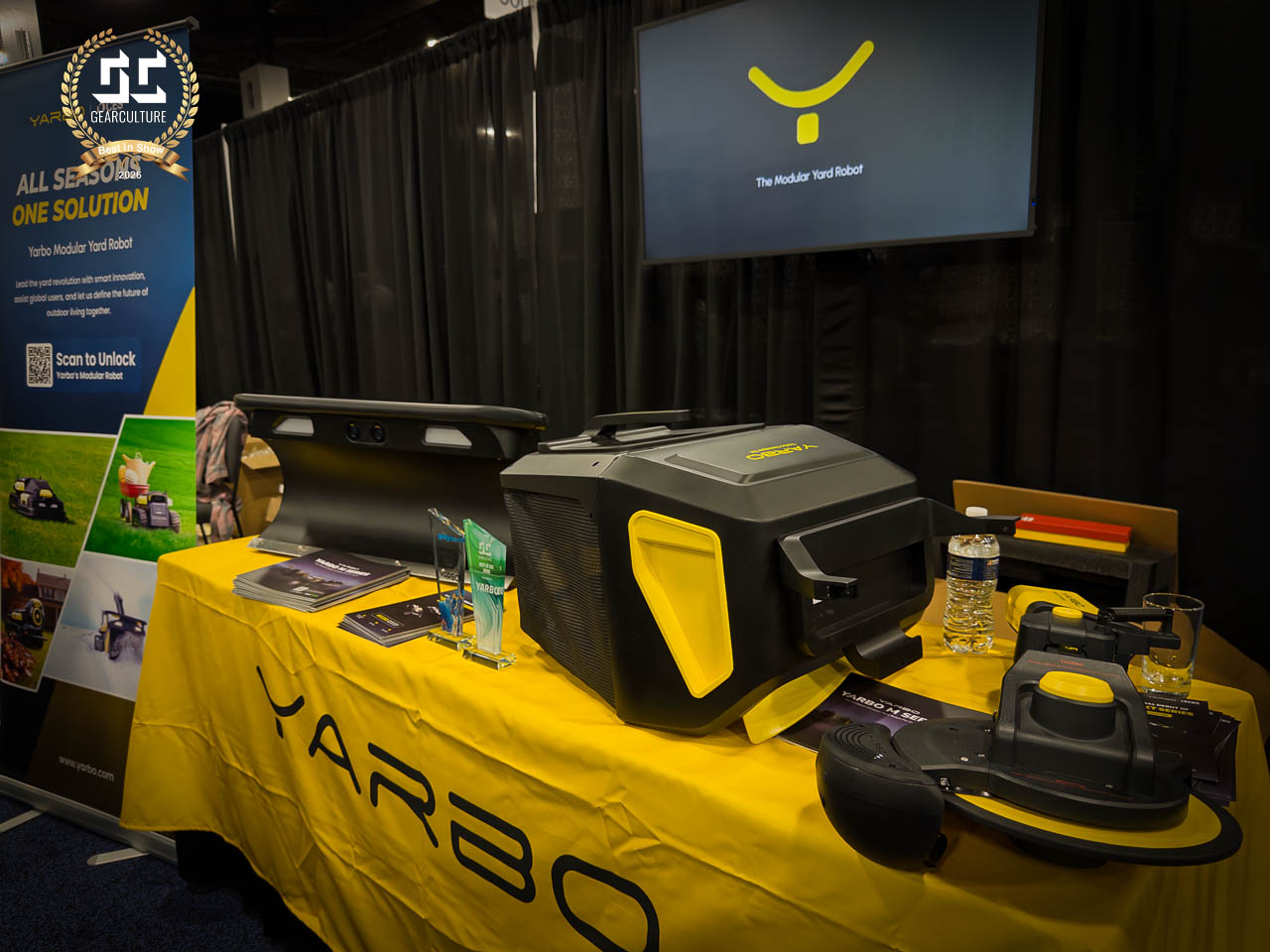
Seasonal utilization patterns affect the value calculation. A dedicated robotic mower operates during growing season months but sits idle through winter. A dedicated snow removal system operates only during snow events. The M Series platform remains in use across seasons, shifting between mowing, leaf collection, and snow clearing as conditions change. This distributed utilization amortizes the base platform cost across more operating hours than any single-purpose equivalent.
The reuse of battery capacity across modules represents additional consolidation. Rather than purchasing separate battery packs for a robotic mower, leaf blower, snow equipment, and string trimmer, users maintain one or two battery packs that power all attachments. Battery cost and longevity become singular concerns rather than multiplied across equipment categories. The 10Ah to 20Ah upgrade path also allows performance scaling without platform replacement.
Module-specific value depends on individual property requirements. Users who need all four capabilities extract maximum platform value. Users who need only two capabilities pay for base platform overhead that serves fewer functions. The value equation favors properties with genuine multi-seasonal maintenance demands over properties where one or two tasks dominate the annual workload.
Who This Platform Is Technically Excessive For
Properties under 0.25 acres (1,012 square meters) with flat terrain and minimal landscaping features represent a capability mismatch for the M Series. The platform’s slope handling, obstacle navigation, and multi-module architecture address complexity that such properties lack. A conventional push mower handles the mowing task in equivalent time without the autonomous system overhead. The weekly coverage capacity of 3.5 to 5.25 acres dramatically exceeds what small-lot owners require.
Climate regions without meaningful snowfall eliminate one of the four module use cases entirely. Southern and coastal properties may never require the plow attachment, reducing the seasonal utilization that justifies modular architecture. Similarly, properties with minimal tree cover generate little leaf debris, diminishing the collector module’s relevance. The platform’s value proposition scales with environmental complexity.
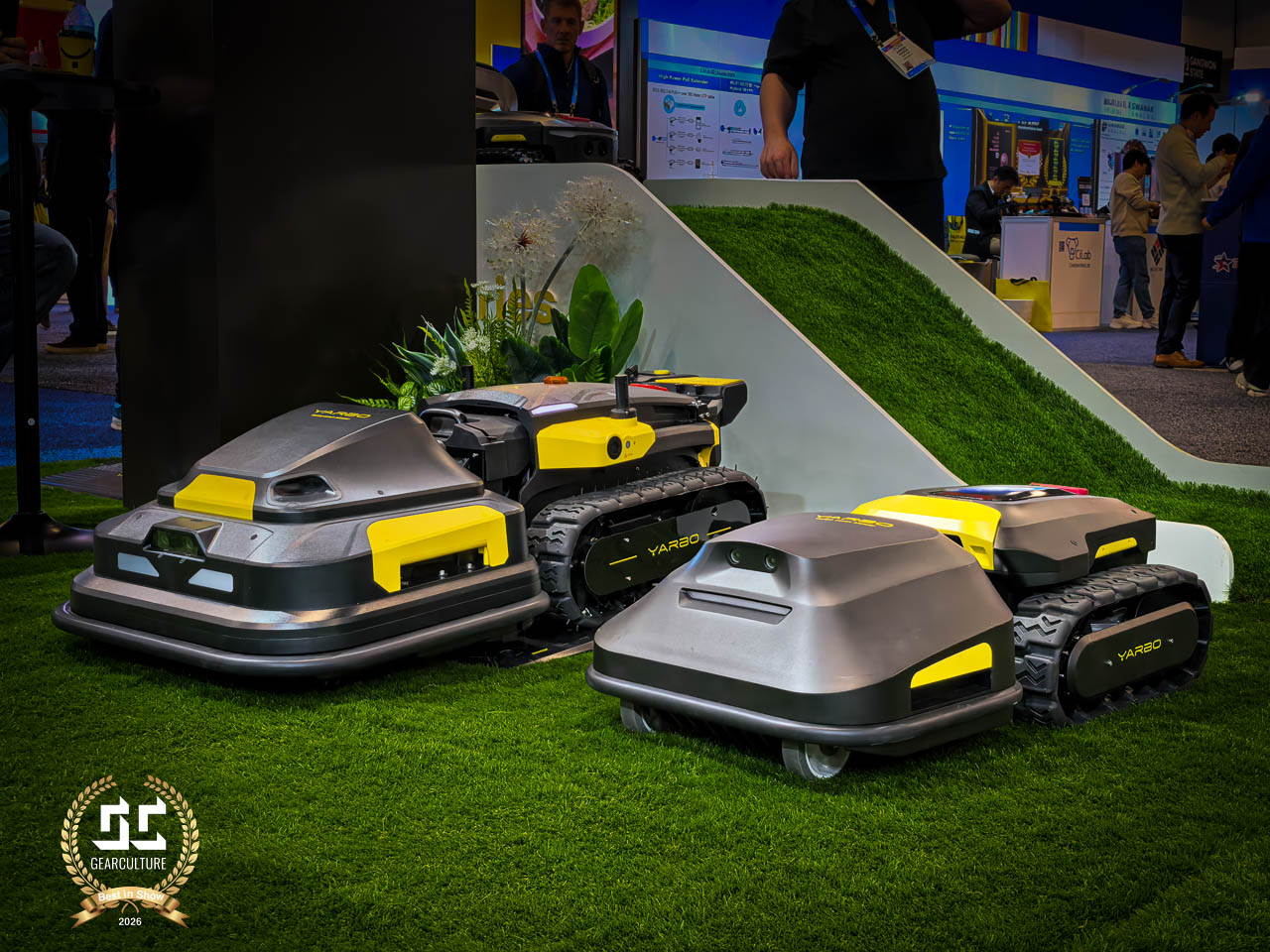
Users who prioritize capital efficiency over labor savings may find the modular premium unjustified. A basic robotic mower, manual leaf rake, conventional snow shovel, and corded string trimmer accomplish the same tasks at lower combined cost, though with greater time investment. The M Series trades upfront capital for ongoing labor reduction, a calculation that favors users who value time over equipment expense and own properties complex enough to benefit from autonomous operation.
Engineering and Market Positioning Summary
Yarbo’s design strategy with the M Series prioritizes platform extensibility over single-task optimization. The engineering decisions reflect this priority: tracked locomotion for multi-surface versatility, a compute stack capable of diverse navigation scenarios, and a power architecture that scales across battery tiers. The modular interface allows future attachment development without base platform redesign, though third-party module compatibility remains unconfirmed in available documentation.
Within the residential robotics market, the M Series occupies a position between single-purpose autonomous mowers and commercial-grade multi-function equipment. Consumer robotic mowers from established brands handle lawn maintenance exclusively, while commercial grounds equipment addresses institutional scale. The M Series bridges this gap by offering multi-function capability at residential scale, targeting homeowners whose properties justify automation across seasonal tasks but do not require commercial equipment capacity.
The platform launches on Kickstarter following CES 2026, with pre-orders scheduled for February 2026. Yarbo maintains shipping history through its previous Yarbo robots product line, providing precedent for production execution. Weight specifications and final pricing remain unannounced. The M Series represents Yarbo’s entry into mainstream residential markets after establishing presence in the larger-property segment with the previous Yarbo robots.