Bose QC Ultra vs Sony WH-1000XM6: Last Year’s Flagship Wins on Price
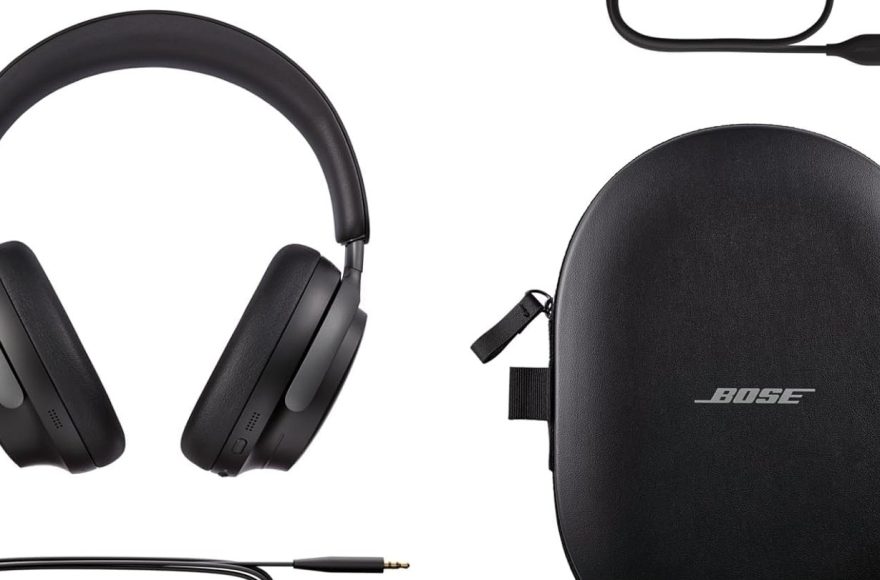
The Bose QuietComfort Ultra costs $213.90 today while the Sony WH-1000XM6 sits at $378, and that $164.10 gap frames this whole comparison. One is last year’s flagship at a clearance price. The other is the newest thing Sony makes, priced like it knows.
Both cancel noise at the top of the class, both fold for travel, and both sound good enough that the spec sheet stops settling the argument. The differences live in the details. Battery math, codecs and fit decide this one, not the headline numbers.
The Bose Case: Flagship Silence, Clearance Price
Bose built its name on cancelling, and the first-generation Ultra still quiets a cabin or an open office as well as anything you can buy today. CustomTune measures your ears and shapes the sound to match, which gives the Bose a personal calibration the Sony answers with its own tuning tools.
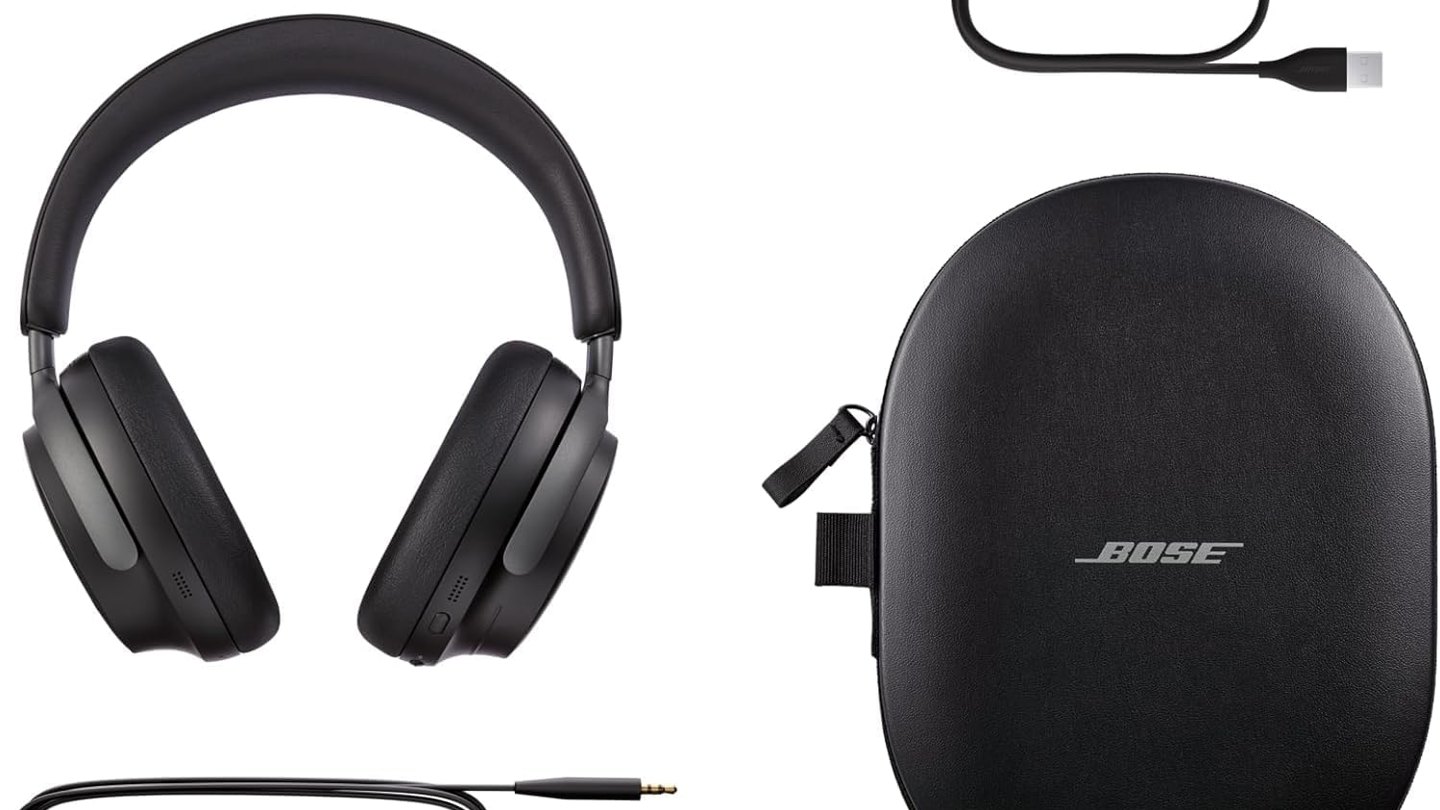
Battery runs 24 hours with standard audio and 18 with Immersive Audio on, and a 15-minute charge returns about three hours of play. Multipoint pairing is standard. The Ultra hops between a laptop and a phone without a settings dive, which is how most people actually use flagship headphones.
- Up to 24 hours of battery, 18 with Immersive Audio on
- CustomTune calibrates the sound to your ears
- Bluetooth 5.3 with multipoint pairing
- aptX Adaptive, SBC and AAC codec support
The Sony Case: Newer, Longer, Lighter on Codecs
The Sony WH-1000XM6 answers with endurance, running 30 hours with cancelling on and 40 with it off, the best stamina in this class right now. Twelve microphones feed the QN3 processor. The cancelling adapts faster to changing noise, like a bus door or a station announcement, than the older Bose hardware can.
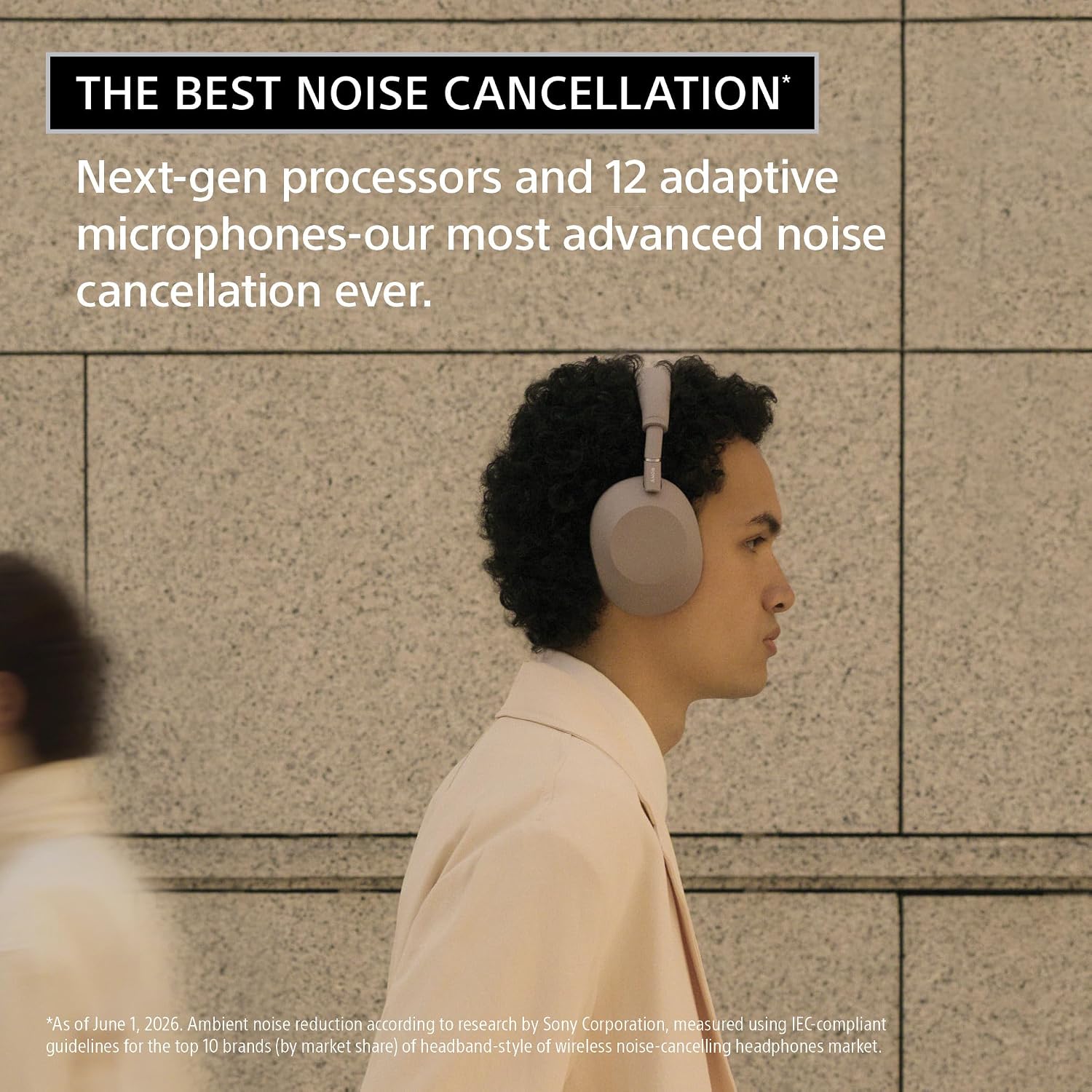
LDAC support gives Android listeners a higher-quality stream than the Bose offers, and the XM6 folds flat into a smaller case at 254 g. Travelers feel that difference. A smaller case and six extra hours of battery are real advantages on long-haul days.
- Up to 30 hours of battery with noise cancelling on, 40 off
- QN3 processor with 12 microphones for the cancelling
- LDAC, AAC, SBC and LC3 codec support
- 254 g with a fold-flat design and a smaller case
Side by Side
| Spec | Bose QC Ultra | Sony WH-1000XM6 |
| Price | $213.90 | $378.00 |
| Battery | 24 hours (18 immersive) | 30 hours (40 cancelling off) |
| Codecs | SBC, AAC, aptX Adaptive | SBC, AAC, LDAC, LC3 |
| Bluetooth | 5.3, multipoint | 5.3, multipoint |
| Fast charge | 15 min for about 3 hours | Full charge in 3.5 hours |
| Weight | 250 g | 254 g |
The table hides the real split, which is that the Bose spends its money on cancelling and fit while the Sony spreads its budget across battery, codecs and case design. Neither cheats you. They just made different lists of what a flagship should do first.
The Tradeoff and the Verdict
Sony owners give up the Bose’s ear calibration and pay $164.10 more for the privilege of a newer model with a longer-lasting battery. Bose owners give up LDAC and six hours of stamina, and they buy a design that a second generation has already replaced at retail. Buy the Bose if value leads your list, because at $213.90 it delivers flagship cancelling for midrange money and the savings buy a lot of music. Buy the Sony if you fly long routes, live on Android and keep headphones for four years, because its battery and codecs will still feel current then.
- Up to 24 hours of battery, 18 with Immersive Audio on
- CustomTune calibrates the sound to your ears
- Bluetooth 5.3 with multipoint pairing
- aptX Adaptive, SBC and AAC codec support
On price alone the Bose wins this round by a wide margin. That’s not close.